Deepens Operations in Southern Lebanon, Captures Hezbollah Radwan Force Operatives
Israeli forces captured Hezbollah Radwan Force operatives and destroyed missile infrastructure in southern Lebanon as the death toll in the country surpasses 1,039.
 Sercan Roni
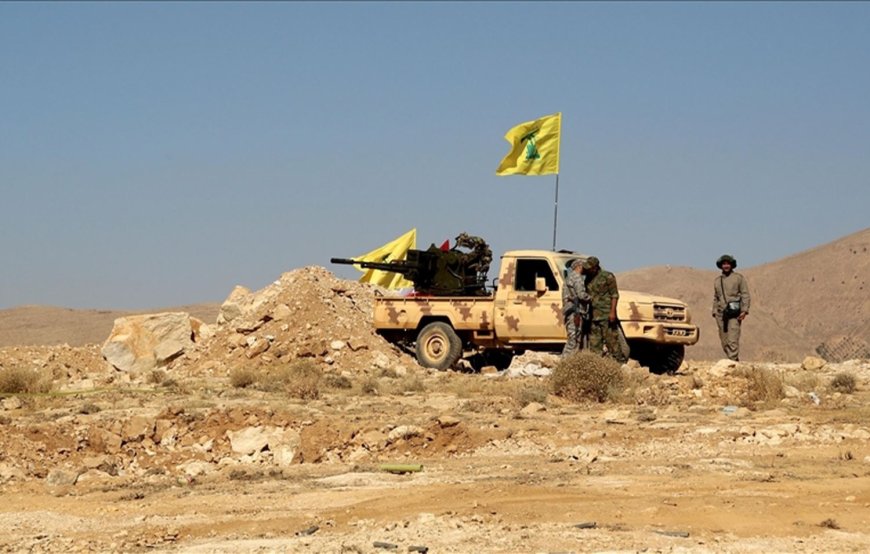
Israeli Defense Forces deepened their operational footprint in southern Lebanon over the weekend and into Monday, capturing Hezbollah Radwan Force operatives in a targeted raid and destroying anti-tank missile infrastructure in what the IDF described as a systematic effort to degrade Hezbollah’s frontline combat capabilities.
The IDF Spokesperson’s Unit released footage of the operation on March 23, showing Israeli troops discovering several armed Hezbollah Radwan Force operatives active at an anti-tank missile launch point. The soldiers were apprehended during a broader sweep to locate weapons caches in the area. The IDF stated that the Radwan Force infrastructure at the site was subsequently destroyed.
The Lebanon theater has expanded dramatically since Hezbollah re-entered the war on March 2, two days after the United States and Israel launched their joint campaign against Iran. Hezbollah’s decision to engage came under intense pressure following the killing of Iranian Supreme Leader Ali Khamenei, whom the group viewed as its most important religious and political patron. Analysts note that Hezbollah joined the conflict from a position of continued weakness, following two years of sustained Israeli targeted assassinations of commanders and attrition of its logistics and financial networks.
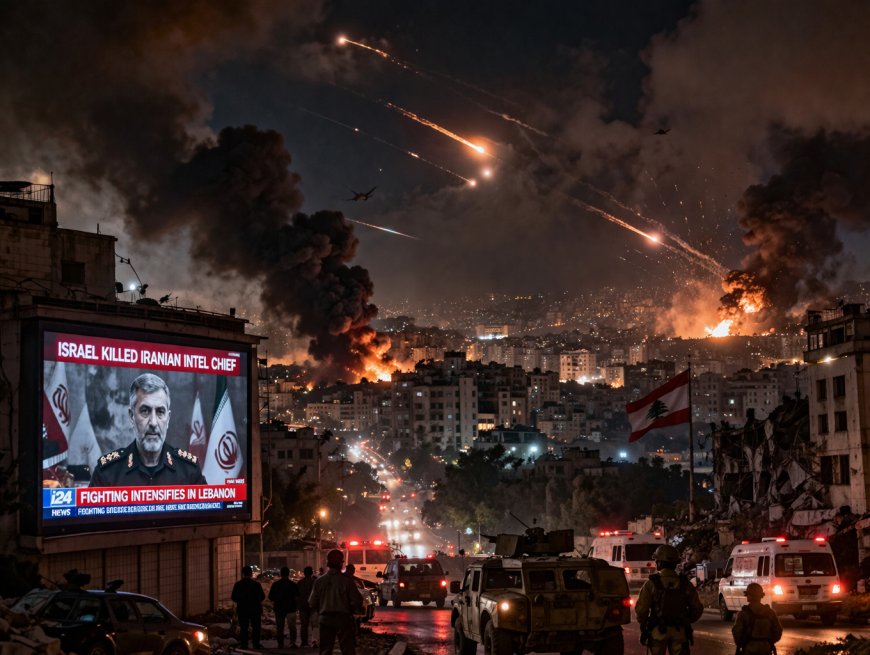
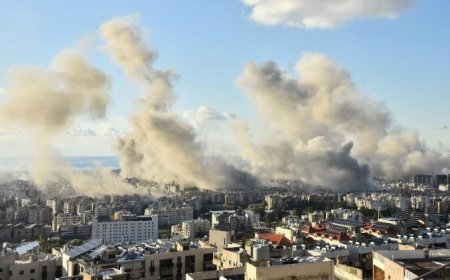
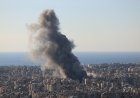
Lebanon’s Health Ministry confirmed on March 23 that the total number of people killed in the country since Israel began its current operations has risen to 1,039, with over 330 injured in strikes recorded through the beginning of the month alone. Israeli forces have carried out more than 250 strikes across Lebanon since Hezbollah re-entered the conflict, targeting weapons depots, financial infrastructure, communications facilities, and senior personnel. The head of Hezbollah’s intelligence directorate was killed in the group’s southern Beirut suburbs in one of the operations.
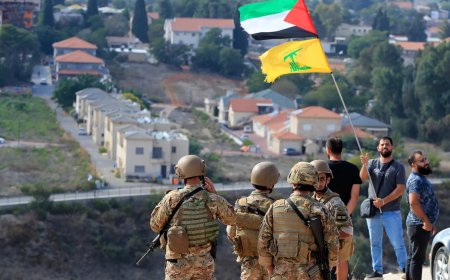
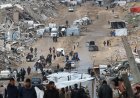
Israeli forces have ordered evacuations in multiple Lebanese border villages and deployed deeper into Lebanon’s southern territories. Reports from humanitarian organizations indicate that the destruction of key transport infrastructure — including roads and bridges — has severely limited civilian movement and blocked evacuation routes for hundreds of thousands of displaced persons.
A Bloomberg report published March 20 described Lebanon as being “near ruin,” with vast swathes of land destroyed and Beirut described as virtually powerless to protect its own population. Hundreds of thousands of people are internally displaced, and the Lebanese state — already deeply fragile before the conflict — has been rendered incapable of meaningful response to the scale of destruction unfolding within its borders.
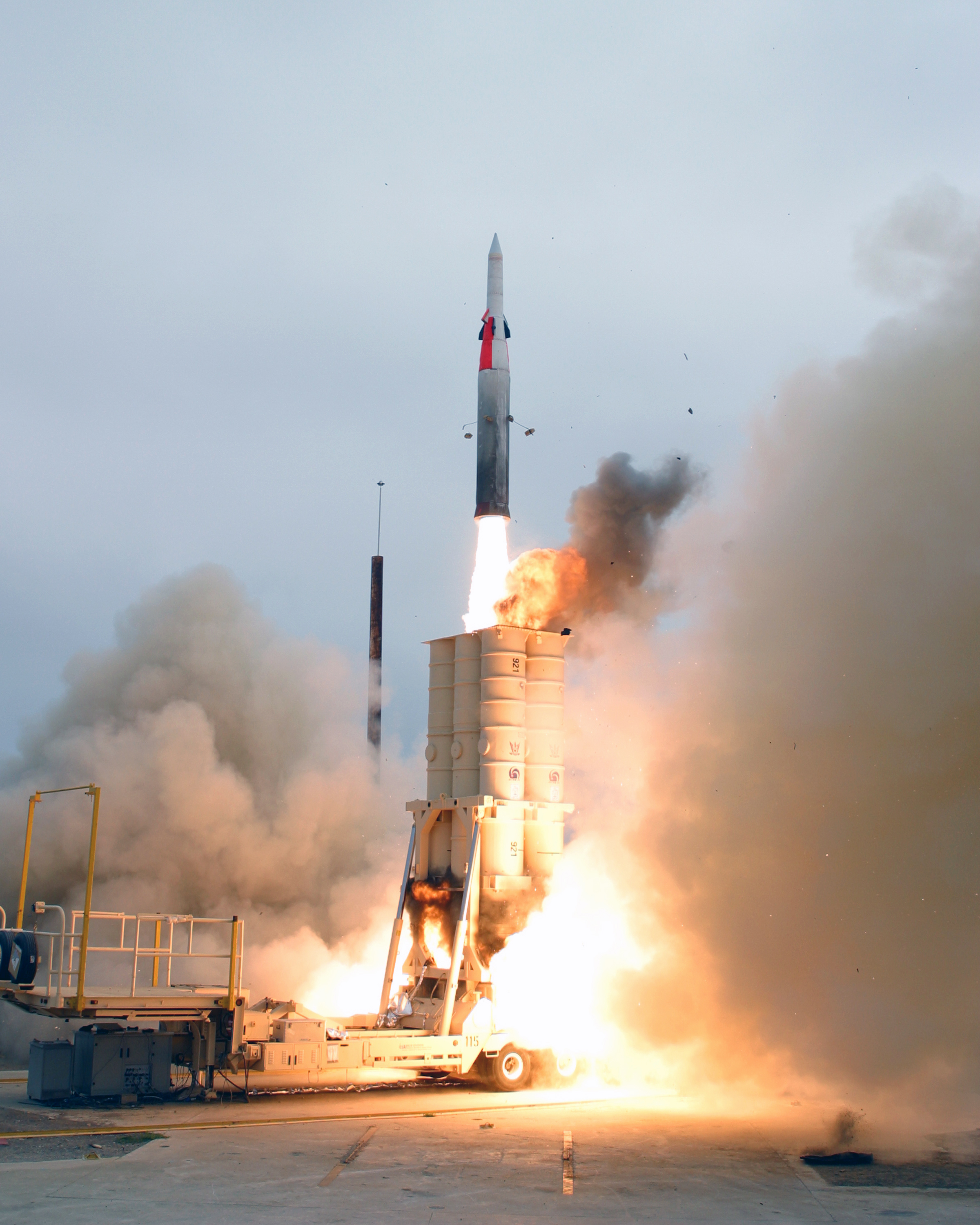
Hezbollah has continued launching rockets and missiles into northern Israel throughout the conflict, including a long-range missile targeting Tel Aviv on March 4 that sparked additional retaliatory Israeli strikes on Beirut’s southern suburbs. As of March 24, both sides remain in active exchange of fire along the Lebanese-Israeli frontier, with no indication of an imminent reduction in hostilities.