The Middle East’s Fragile Stability Hinges on Managed Rivalries
Regional stability depends on balancing rivalries through diplomacy. Without sustained engagement, tensions could quickly escalate.
 Sercan Roni
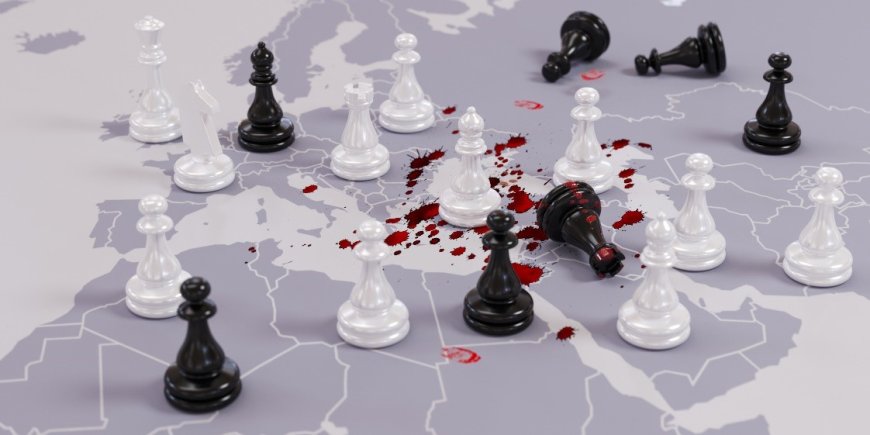
The Middle East is currently experiencing a period of fragile stability, shaped less by the resolution of conflicts and more by the careful management of rivalries. While open confrontations have been limited in some areas, underlying tensions remain deeply entrenched.
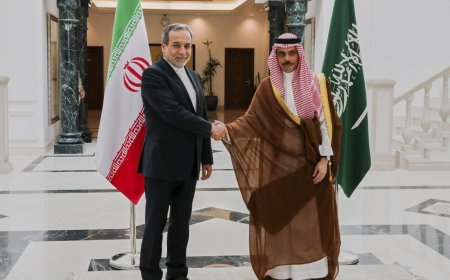
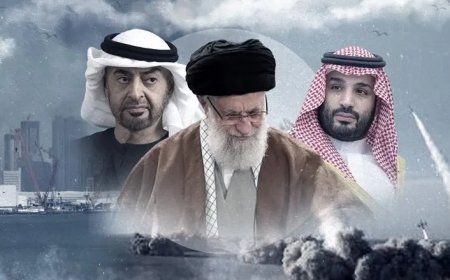
Recent diplomatic engagements between traditional rivals, including Saudi Arabia and Iran, have contributed to a reduction in direct hostilities. However, these developments should not be mistaken for lasting reconciliation. Instead, they represent a pragmatic approach to risk management in a volatile environment.
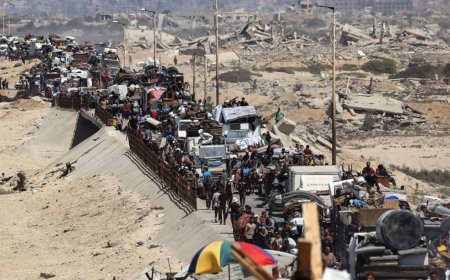
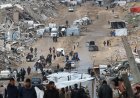
One of the defining features of the current landscape is the interconnected nature of regional conflicts. Developments in Gaza, Yemen, and the Red Sea are not isolated; they influence each other in complex ways. This interconnectedness increases the potential for localized incidents to trigger broader escalation.
A regional analyst observed that “stability today is less about peace agreements and more about maintaining a balance that prevents conflicts from spiraling.” This balance is inherently unstable, relying on continuous diplomatic engagement and strategic restraint.
External actors continue to play a role, but there is a growing emphasis on regional solutions. Countries are increasingly recognizing that long-term stability cannot be imposed from outside but must be negotiated within the region.
Despite these efforts, risks remain high. Economic pressures, political transitions, and unresolved grievances all contribute to an environment where tensions can quickly resurface. Without sustained commitment to dialogue and conflict management, the current equilibrium could prove short-lived.
In this context, the future of the Middle East will depend on the ability of its leaders to navigate rivalries without allowing them to escalate into open conflict. The stakes are high, not only for the region but for global stability as well.