Fracturing of the Old Order: Why the 2026 Iran War Marks a Point of No Return
The current conflict is not just a regional skirmish but a fundamental dismantling of the post-WWII security architecture, with profound implications for global power
 Sercan Roni

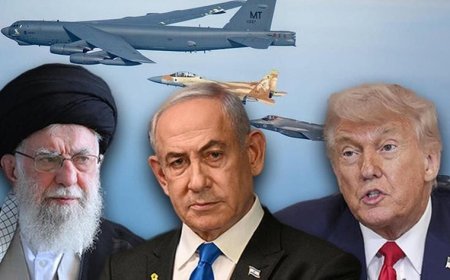
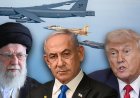
The events of March 2026 have moved beyond a mere regional escalation; they represent the definitive fracturing of the global security order that has persisted since 1945. As missiles cross the skies of the Levant and the Persian Gulf remains a "no-go" zone for international shipping, the "rules-based order" often cited by Western diplomats appears increasingly like a relic of a bygone era. The current conflict between the U.S.-Israeli coalition and Iran is the first "total war" of the 21st century in the Middle East, and its resolution—or lack thereof—will dictate the geopolitics of the next fifty years.
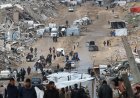
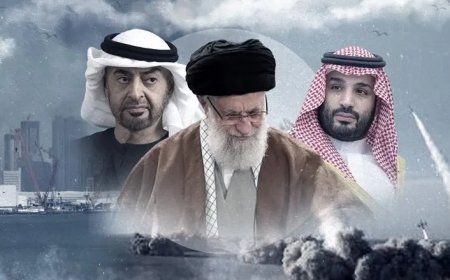
The most striking aspect of this month’s hostilities is the sheer breakdown of traditional deterrence. For decades, the threat of a closed Strait of Hormuz or a direct strike on Tehran was enough to keep both sides in a state of "shadow war." That shadow has now vanished. With the killing of senior Iranian leadership in late February and the subsequent Iranian retaliation against Gulf states and Israel, the "red lines" that once governed the region have been erased. We are now in an era of "unrestricted warfare" where civilian infrastructure, from schools in Minab to gas fields in Abu Dhabi, has become a legitimate target in the eyes of the combatants.
Furthermore, the diplomatic vacuum is being filled by a new set of actors. While Washington and Brussels struggle to maintain a coherent narrative, nations like Turkey, Pakistan, and China are emerging as the new arbiters of regional stability. The recent move by Baghdad to seek a "neutrality accord" with the U.S. is a desperate attempt to survive this shift, but it highlights the precariousness of the current situation.
As President Erdoğan correctly noted this week, the international system is losing its credibility. If the UN and other multilateral institutions cannot enforce a ceasefire or protect civilians from what many are calling war crimes, the world will likely descend into a period of prolonged fragmentation. The 2026 Iran War is not just a tragedy for those caught in the crossfire; it is a signal to the rest of the world that the old safeguards are gone, and a new, much more dangerous order is being born.