IEA Chief Warns Iran War Energy Crunch Is Worse Than 1970s Oil Crises and Ukraine War Combined
The head of the International Energy Agency says the disruption caused by the Iran war is the most severe energy shock in modern history, eclipsing both the 1970s oil embargoes and the Ukraine conflict.
 Sercan Roni

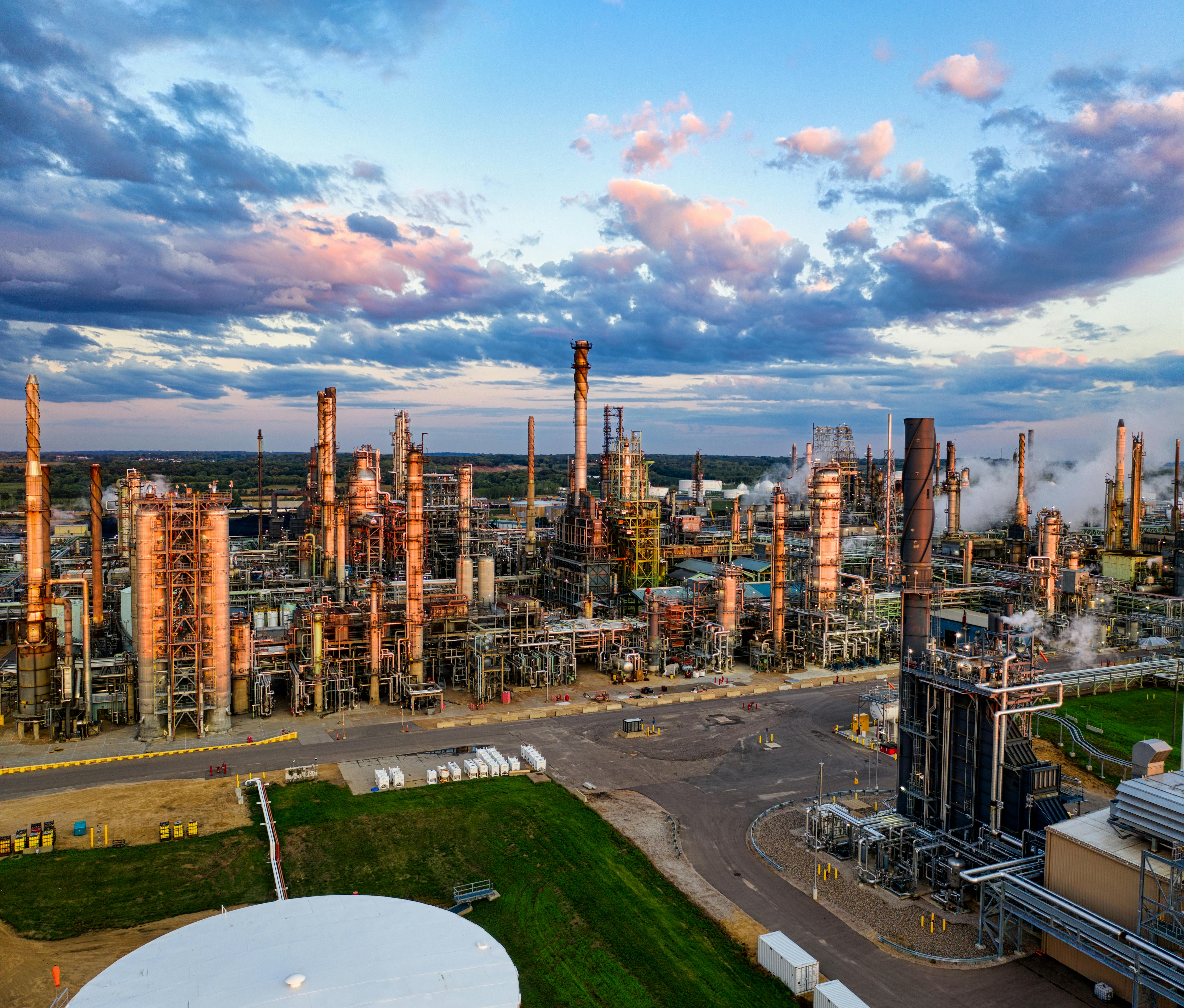
The head of the International Energy Agency declared on March 23 that the energy disruption caused by the ongoing Iran war represents the worst such crisis in modern history — more severe than the 1970s OPEC oil embargoes and the energy shock triggered by Russia’s invasion of Ukraine in 2022 combined. The statement underscored the extraordinary scale of the economic damage inflicted by three weeks of conflict centered on the world’s most critical maritime oil corridor.
The IEA’s warning came as the European Commission President Ursula von der Leyen, speaking from Australia on the sidelines of a new EU-Australia free trade agreement signing, called urgently for a negotiated resolution to the conflict. “The situation is critical for the energy supply of allies globally,” she stated. “We all are experiencing the ripple effects on gas and oil prices, impacting our businesses and societies. It is crucial that we arrive at a negotiated solution to end the hostilities present in the Middle East.
The Strait of Hormuz, through which approximately 20% of the world’s daily oil and liquefied natural gas output normally flows, has been effectively closed to vessels from the United States, Israel, and their Western allies since early March, when Iran’s Islamic Revolutionary Guard Corps officially confirmed the closure. Only Iran-approved vessels — primarily petroleum ships bound for China and India — have been permitted to transit, often with IRGC military escort.
The economic consequences for the Gulf states have been severe. Although the six Gulf Cooperation Council countries have made significant strides in economic diversification, hydrocarbons still account for approximately 30% of their combined gross domestic product. The Hormuz blockade has not only curtailed export revenue but has also disrupted imports in a region that relies on foreign suppliers for roughly 85% of its food supply.
Iran’s campaign has specifically targeted the economic architecture of Gulf states. On March 11, Tehran announced it would strike “economic centers and banks” in the region, and Iranian state media published a list of future targets that included Middle East offices of major US technology companies — Amazon, Google, Microsoft, IBM, and Oracle. Saudi Arabia has already expelled Iranian diplomatic personnel in response to hundreds of Iranian missile and drone strikes on its territory.
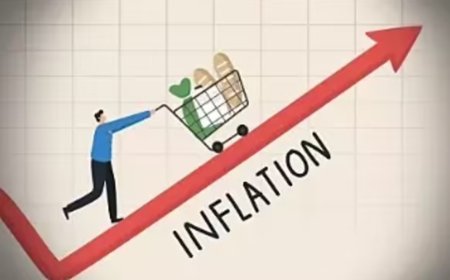
Investor confidence has deteriorated sharply. War-risk surcharges on shipping have surged, regional equity markets have recorded steep losses, and Brent crude has reached levels not seen in over 18 months. The International Crisis Group’s Chief Economist Nick Brooks assessed the situation as one of profound uncertainty, noting that even in a de-escalation scenario, sustained Brent crude prices near $100 per barrel would shave approximately 0.5 percentage points off global growth and add one percentage point to inflation worldwide.