Israel government faces mounting pressure over war toll
SUMMARY: With casualties and displacement rising across the region, Israel’s leadership faces growing domestic and international criticism over its handling of the war with Iran. Protesters in Tel Aviv demand a clearer strategy and a path to de‑escalation.
 Sercan Roni

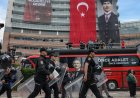
Israel’s government is under mounting pressure at home as the war with Iran enters its second month and casualty figures climb. In Tel Aviv, hundreds of protesters gathered outside the prime minister’s office on Friday, demanding a clearer strategy, a more transparent accounting of military and civilian losses, and a serious push for a de‑escalation or ceasefire. Protest leaders include bereaved families, reserve‑military veterans, and opposition lawmakers who argue that the government has failed to outline achievable objectives or a timeline for ending hostilities.
“We are not naive; we know security is complex,” said a retired IDF officer addressing the crowd. “But we also know that this war is costing us lives, money, and our international standing. The government must explain what ‘victory’ looks like and how it will get there.” Public‑opinion surveys released this week show a sharp rise in skepticism toward the leadership’s management of the conflict, even as national security remains the top concern for most voters.
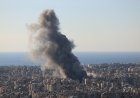
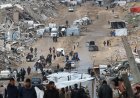
Internationally, Western allies have grown increasingly vocal about the humanitarian toll of Israeli strikes in Lebanon and the wider region. The European Union has urged restraint and greater protection for civilians, while several Arab capitals have called on Israel to avoid further escalation that could destabilize fragile economies and refugee‑hosting states. Within Israel’s coalition, tensions are simmering between hard‑line security hawks and more moderate voices who fear prolonged conflict could erode social cohesion and weaken support for future military operations.