Yemen Frontlines Remain Fragile Despite Relative Decline in Large-Scale Fighting
Yemen sees reduced large-scale clashes, but tensions remain high. Ceasefire efforts are holding unevenly across regions.
 Sercan Roni
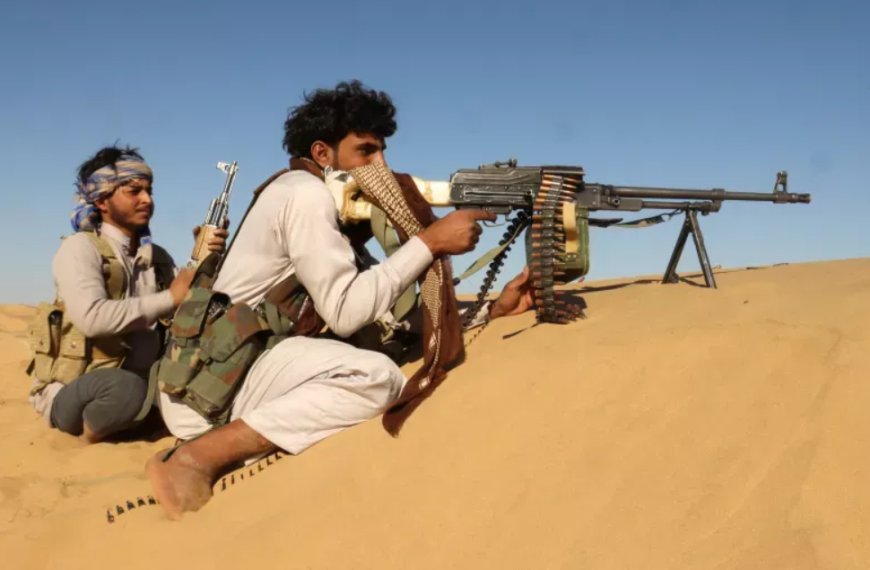
Frontlines in Yemen remain fragile despite a relative decline in large-scale fighting, with localized clashes and tensions continuing to threaten the stability of the ceasefire environment. While the intensity of conflict has decreased compared to previous years, the situation on the ground remains highly volatile.
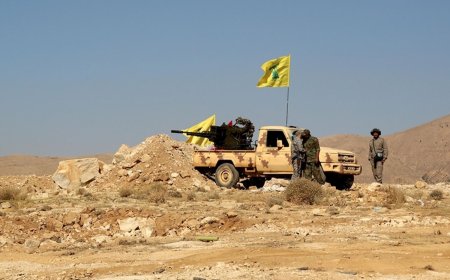
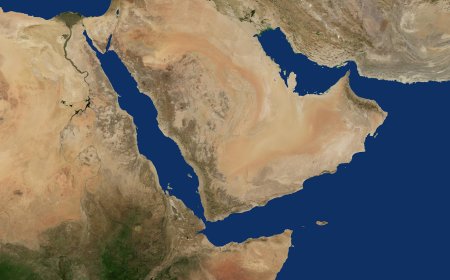
The Iran-aligned Houthi movement continues to maintain control over significant portions of northern Yemen, while internationally recognized government forces hold territory in the south and east. Sporadic confrontations and military build-ups have been reported, raising concerns about a potential العودة to broader hostilities.
Regional actors, particularly Saudi Arabia, have maintained efforts to support a political resolution. Talks aimed at formalizing a lasting ceasefire and addressing humanitarian concerns are ongoing, though progress has been uneven.
A UN official noted that “the reduction in violence is a positive development, but it should not be mistaken for a sustainable peace.” Humanitarian conditions remain dire, with millions of Yemenis in need of assistance.
Economic challenges, including currency instability and limited access to basic services, continue to exacerbate the crisis. Aid organizations have warned that without sustained international support, the situation could deteriorate rapidly.
Analysts emphasize that the current phase represents a critical opportunity to consolidate gains and move toward a comprehensive settlement. However, the lack of trust between parties and the complexity of internal divisions pose significant obstacles.
As diplomatic efforts continue, the future of Yemen will depend on the ability of stakeholders to translate reduced violence into lasting political solutions.