Israeli strikes hit Iranian nuclear‑related sites amid war
Israeli air forces have struck a series of Iranian nuclear and industrial facilities, including targets near Isfahan, as the regional war intensifies. Tehran warns of “severe consequences” for any further attacks on its core infrastructure.
 Sercan Roni
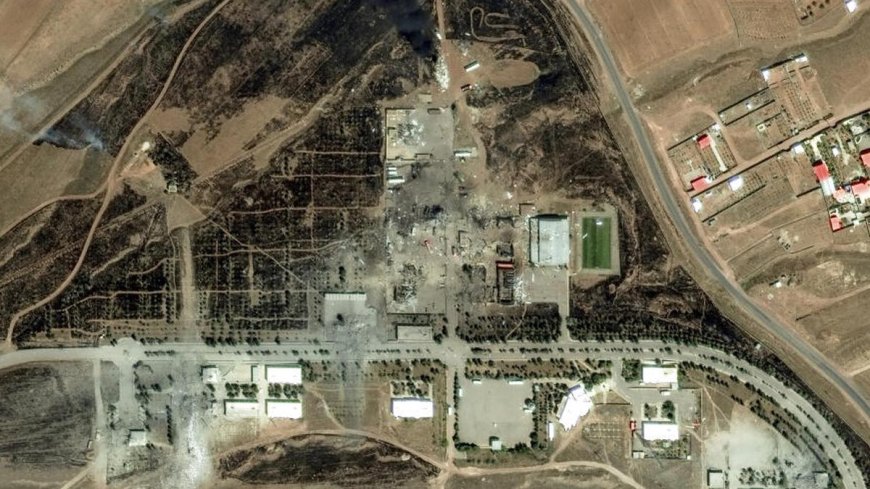
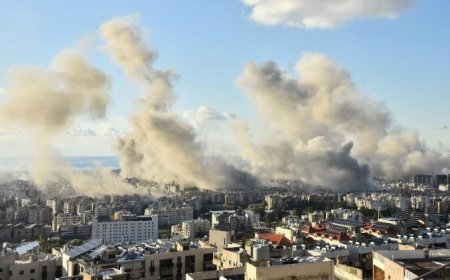
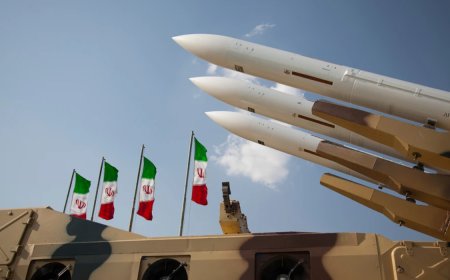
Israel has conducted a wave of airstrikes against Iranian nuclear‑related and industrial facilities, including sites near Isfahan, destroying or damaging key research and production infrastructure. The strikes, which follow days of Iranian missile barrages at Israel and the wider region, represent a significant escalation by the Israeli military in the ongoing war that has drawn in the United States and several Gulf states. Footage circulating online shows plumes of smoke rising from multiple complexes, including facilities associated with Iran’s heavy‑water and missile programs.
The Israeli Defense Forces confirmed that the operation targeted “strategic assets” tied to Iran’s regional offensive capabilities. “We are determined to prevent Iran from using its nuclear infrastructure as a shield for its aggressive behavior,” a senior IDF official told MiddleEast.net. “These strikes are part of a broader campaign to degrade Iran’s ability to threaten our security and that of our allies.” Iranian authorities have responded with fury, calling the bombardment “an act of war against the entire nation” and warning that it will retaliate “in the most severe way.”
Iranian media report damage at several facilities, including parts of the Isfahan nuclear complex, which has long been scrutinized by Western intelligence agencies for its role in enrichment and heavy‑water research. Tehran has denied that any nuclear weapons program exists, insisting that all work is purely civilian. Regardless of the exact technical impact, the symbolism of striking near Isfahan is clear: Israel is signaling that no part of Iran’s strategic infrastructure will be considered off‑limits.
Regional security analysts warn that the targeting of Iranian nuclear‑related sites increases the risk of a wider conflagration. “When you attack what a state sees as the core of its national sovereignty, you are pushing the conflict into very dangerous territory,” said a regional security expert speaking to MiddleEast.net. “Iran may feel compelled to respond in ways that are even more escalatory, including against Gulf energy infrastructure or US forces in the region.”