Gulf states push for ceasefire amid Iran‑Israel war
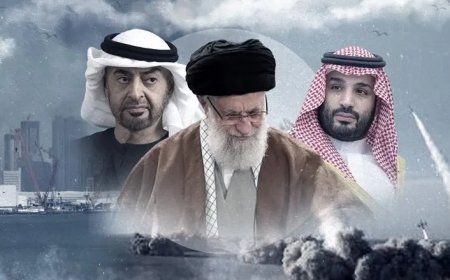
Saudi Arabia, Qatar, and the UAE are intensifying quiet diplomacy to broker a pause in the Iran‑Israel war, while Moscow and Beijing also urge restraint. The United States remains publicly committed to Israel but signals openness to talks.
 Sercan Roni
Gulf states are stepping up diplomatic efforts to end the month‑long Iran‑Israel war, dispatching envoys and hosting closed‑door talks aimed at securing at least a temporary ceasefire. Saudi Arabia, Qatar, and the United Arab Emirates have each engaged with Tehran, Jerusalem, and Washington in recent days, warning that continued hostilities could devastate regional stability and global energy markets. While none of the Gulf capitals has publicly disclosed concrete proposals, officials tell MiddleEast.net that the focus is on a mutual de‑escalation formula that would halt missile and drone attacks in exchange for halting airstrikes and raids on Iranian territory and proxies.
“We are talking to all sides, even those we do not normally deal with directly,” said a senior Gulf diplomat who spoke to this outlet on condition of anonymity. “The status quo is not sustainable for any of us financially or security‑wise.” The Gulf push lines up with calls from Moscow and Beijing for restraint. Russian Foreign Minister Sergei Lavrov has held consultations with his Iranian counterpart, while Chinese officials have urged both Iran and Israel to “exercise maximum self‑control” and accept diplomatic mediation.
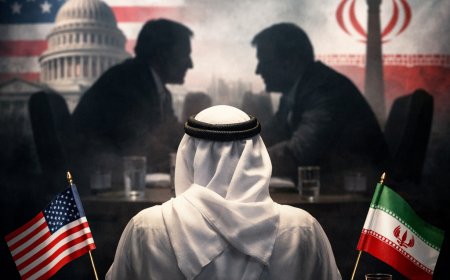
The United States, while firmly backing Israel, has signaled that it is open to diplomacy. President Donald Trump has said that talks with Iran are “going very well,” even as Tehran denies any direct dialogue. A US State Department official confirmed that Washington is in contact with Gulf partners and European allies to explore possible channels for de‑escalatory measures, including confidence‑building steps such as temporary pauses in strikes and missile launches. Regional analysts caution that enthusiasm for a ceasefire does not guarantee agreement, given deep mutual distrust and the high domestic political stakes in Tehran and Jerusalem.