Israel Expands Ground Offensive in Southern Lebanon as Hezbollah Launches Retaliatory Strikes; Civilian Death Toll Mounts
Israeli forces have advanced towards the Litani River in southern Lebanon, aiming to dismantle Hezbollah infrastructure as cross-border fighting intensifies. Hezbollah has launched over 14 separate attacks on northern Israeli settlements and military positions, including drone strikes on the Palmachim Airbase near Tel Aviv. Lebanese health authorities report more than 800 civilians killed and over 822,000 displaced since March 2, with aid agencies warning of a deepening humanitarian catastrophe along the border
 Sercan Roni
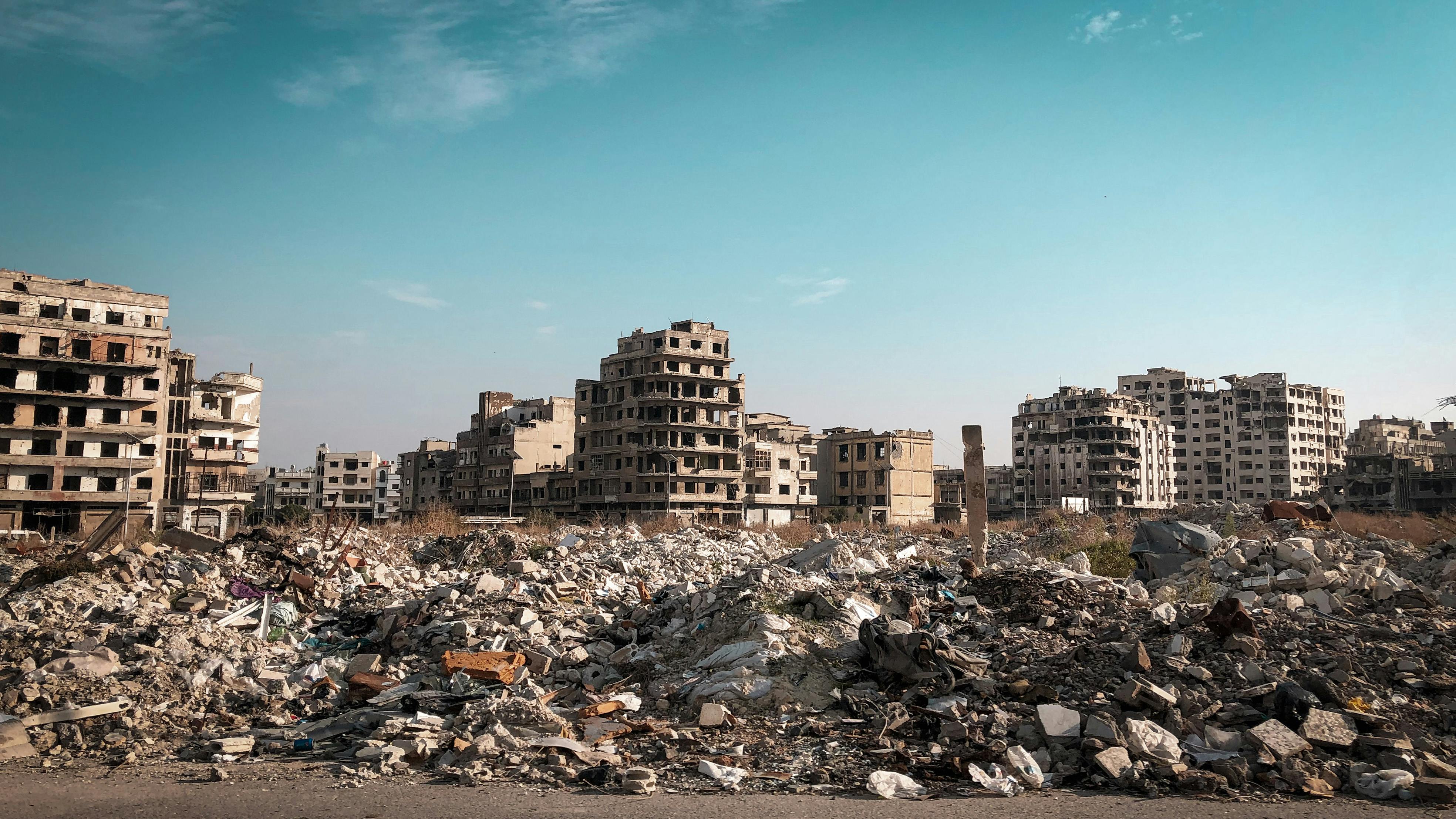
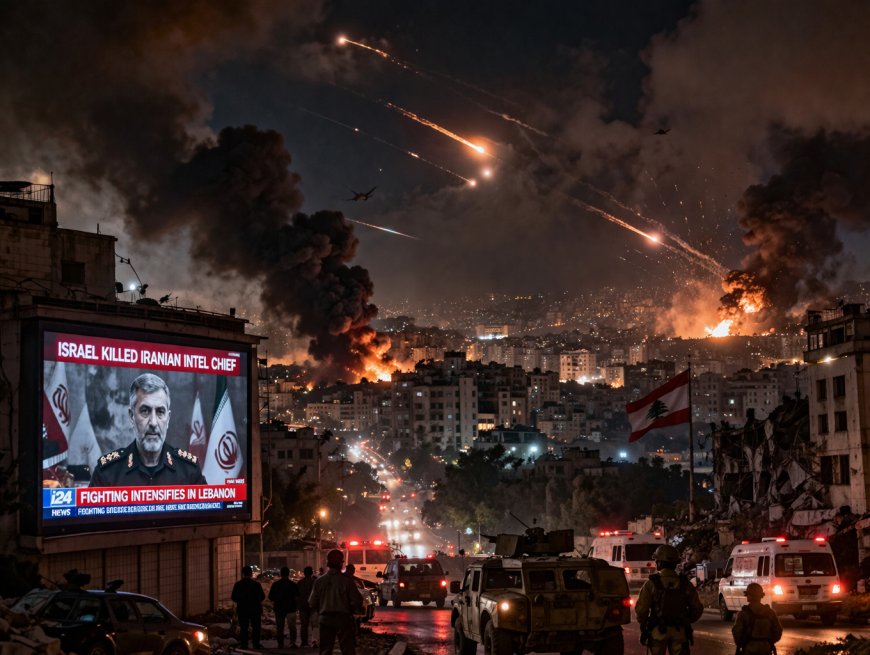
Israeli forces have significantly expanded their ground operations in southern Lebanon, advancing towards the Litani River in what military officials describe as an effort to dismantle Hezbollah's military infrastructure. The escalation, now in its third week, has triggered a humanitarian crisis with over 822,000 Lebanese civilians displaced and more than 800 killed since March 2 .
Ground Offensive Intensifies
Israeli Defense Minister Israel Katz confirmed that troops have pushed westward toward the Litani River, a strategic waterway approximately 29 kilometers north of the Israeli border. "The Lebanese government will pay a heavy price through strikes targeting Lebanese national infrastructure and the loss of territory used by Hezbollah militants," Katz warned in a statement from his office .
The Israeli military reported that its aircraft targeted the Zrariyeh bridge over the Litani River, claiming Hezbollah used it as a central route for movement. Local sources confirm Israeli forces have encircled the town of Khiyam as fighting intensifies near the border .
Hezbollah's Retaliatory Campaign
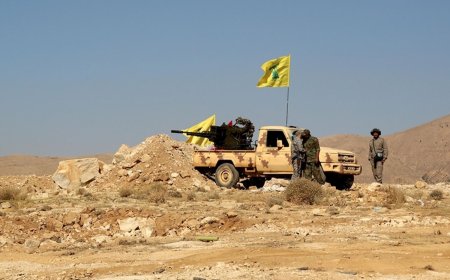
In response, Hezbollah has launched a sustained campaign against Israeli positions. The group claimed responsibility for at least 14 separate attacks since dawn on Saturday, targeting Israeli military positions, troops, and settlements in northern Israel .
Among the most significant strikes was a drone attack on the Palmachim Airbase south of Tel Aviv, approximately 140 kilometers from the Lebanese border, demonstrating the group's expanding reach . Hezbollah also fired rocket barrages at the Israeli settlements of Nahariya and Kiryat Shmona, issuing evacuation warnings to residents .
"Warning: All residents of Kiryat Shmona and Nahariya are requested to evacuate immediately and head south," Hezbollah announced on its Telegram channel, accompanied by images of the settlements .
The group said its fighters also targeted Israeli troops at multiple border locations, including Khazzan Hill near the town of Adaisseh, the Avivim barracks, and the Rafael military industries complex north of the Krayot area .
Mounting Civilian Toll
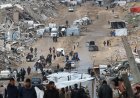
The human cost of the conflict continues to rise. Lebanon's Health Ministry reports that Israeli strikes have killed at least 800 people and injured over 2,000 since March 2 . The dead include five civilians killed in an Israeli raid on the southern town of Qana, and two more in Hennawiyeh who died when a follow-up attack struck as rescuers arrived at the scene .
Displacement figures have reached alarming levels. Lebanese authorities registered 822,000 displaced persons, with 122,600 seeking shelter in government facilities . Many families have fled north toward Beirut, creating long traffic jams on major highways.
International Response
French President Emmanuel Macron has offered to host negotiations between Israel and Lebanon in Paris, urging restraint from both sides. "Hezbollah must immediately stop its headlong escalation. Israel must refrain from launching a large-scale offensive and must cease its massive strikes," Macron said, noting that "hundreds of thousands of people have already fled the bombardments" .
The Lebanese government has reportedly expressed willingness to engage in direct discussions with Israel, according to Macron. However, Israeli officials have not yet committed to talks .
Strategic Implications
The widening conflict threatens to destabilize Lebanon further, a country already grappling with economic collapse and political paralysis. Israel's targeting of infrastructure, including bridges and roads, aims to pressure the Lebanese government to rein in Hezbollah—a demand Beirut is ill-equipped to meet given the group's significant political and military power.
As both sides show little sign of de-escalation, the humanitarian situation along the border continues to deteriorate, with winter conditions approaching and shelter capacity stretched to its limits.