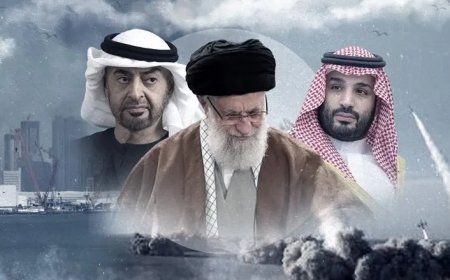
Gulf Economies Face Worst Downturn Since 1990s as Iran Conflict Disrupts Oil Exports and Wipes Out Billions in Market Value
The ongoing US-Israeli conflict with Iran is pushing Gulf economies toward their most severe downturn since the 1990s Gulf War, with Qatar and Kuwait facing potential GDP contractions of up to 14% if the Strait of Hormuz remains closed. Dubai's stock market has lost over $43 billion in value since the conflict began, while Iranian drone strikes on Fujairah port have disrupted UAE oil exports. Global oil prices have surged past $105 per barrel, threatening to reignite inflation worldwide and complicate central bank policy decisions
 Sercan Roni
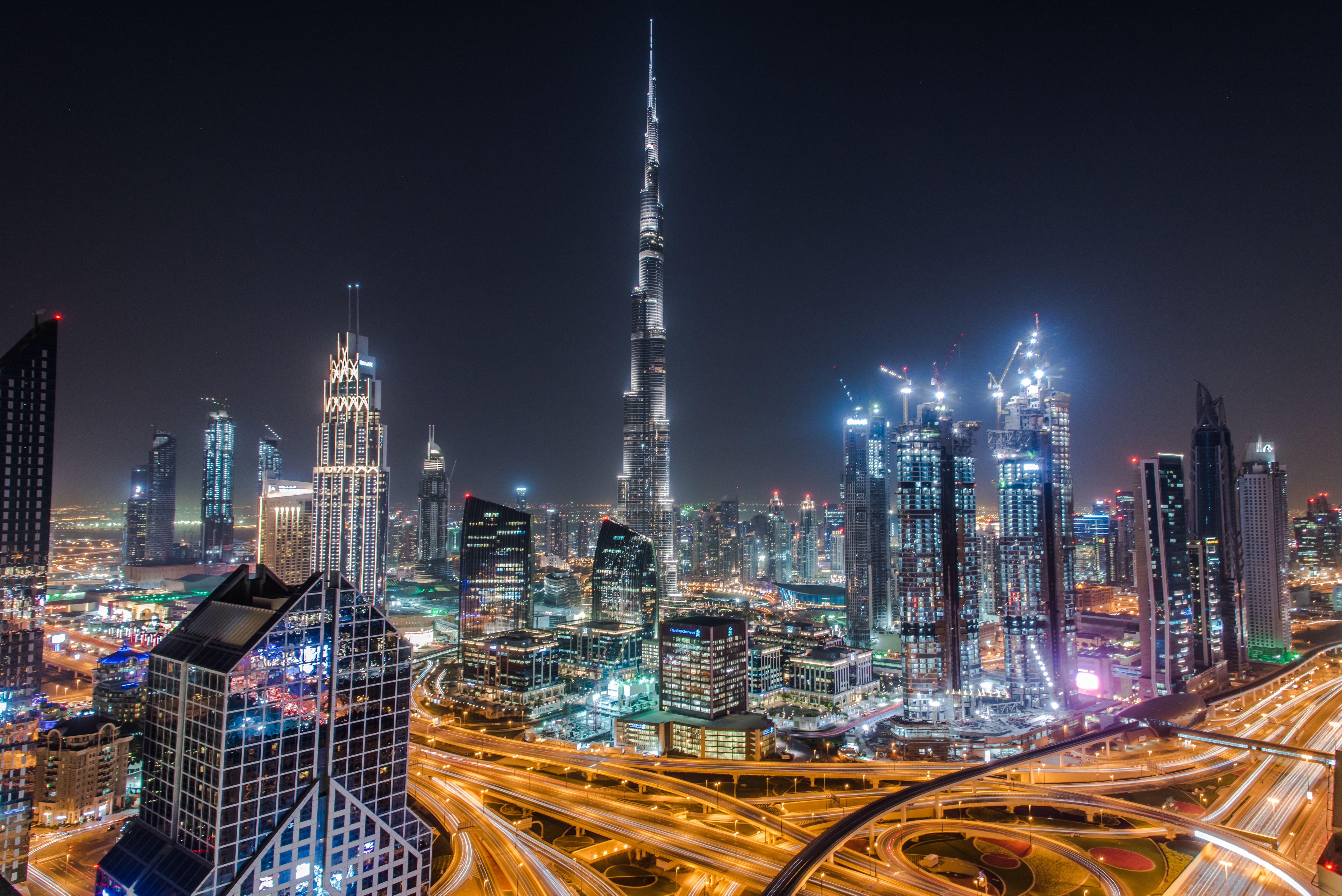
The ongoing West Asia war involving Iran, Israel, and the United States is pushing major Gulf economies into their most severe downturn since the early 1990s, with billions of dollars in market value erased and critical energy infrastructure coming under direct attack .
As the conflict enters its third week, economic analysts warn that Qatar and Kuwait may be among the hardest hit, potentially seeing their gross domestic product (GDP) shrink by as much as 14% this year if the fighting continues through April and the Strait of Hormuz remains closed for two months .
"For many Gulf economies, the war could have a bigger near-term impact than Covid," said Farouk Soussa, an economist at Goldman Sachs. "When the dust settles they will rebuild and they will recover, but the scars this conflict leaves on confidence remain to be seen" .
Stock Markets Bleed Billions
UAE equities have been hit particularly hard. Dubai's main share index tumbled 3.1% on Monday alone, dragged down by sharp declines in blue-chip developer Emaar Properties and top lender Emirates NBD . Since the conflict began on Feb. 28, the Dubai index has shed more than 19% of its value, with over $43 billion in market capitalization wiped out .
In Abu Dhabi, the index lost 1.3%, with Aldar Properties dropping 4%. The Abu Dhabi bourse's market capitalization has shrunk to $771.9 billion, down nearly $77.2 billion from pre-conflict levels .
Across the Gulf, most equities ended lower on Sunday. Saudi Arabia's benchmark index eased 0.1%, while the Qatari index fell 0.2% and Bahrain's index dropped 0.5% . Citigroup has kept most branches and offices in the UAE closed until further notice after temporarily shutting them last week—the latest sign of the conflict's impact on the financial industry .
Oil Infrastructure Under Attack
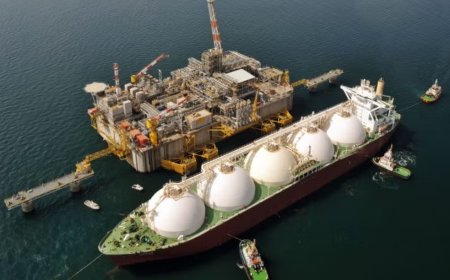
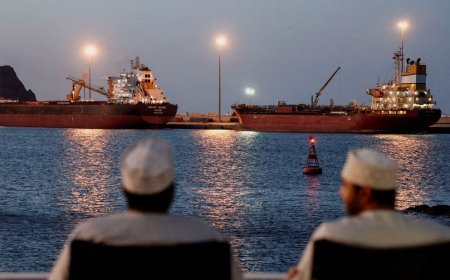
The conflict has moved beyond diplomatic tensions to direct strikes on energy infrastructure. Over the weekend, U.S. President Donald Trump threatened further attacks on Iran's Kharg Island, which accounts for roughly 90% of Iran's oil exports. Shortly after U.S. strikes on military targets there, Iranian drones struck a major oil terminal in Fujairah, United Arab Emirates .
Although oil loading operations at Fujairah have since resumed, four industry sources said it remains unclear whether activity has fully returned to normal . Fujairah is the gateway for the UAE's exports of approximately 1 million barrels of Murban crude oil per day, equivalent to 1% of global demand .
Experts warn that Saudi Arabia's Ras Tanura export port—the world's largest offshore oil loading facility—and the Abqaiq processing facility are currently the most vulnerable energy "nodes" in the Gulf region .
Oil Prices Surge Past $105
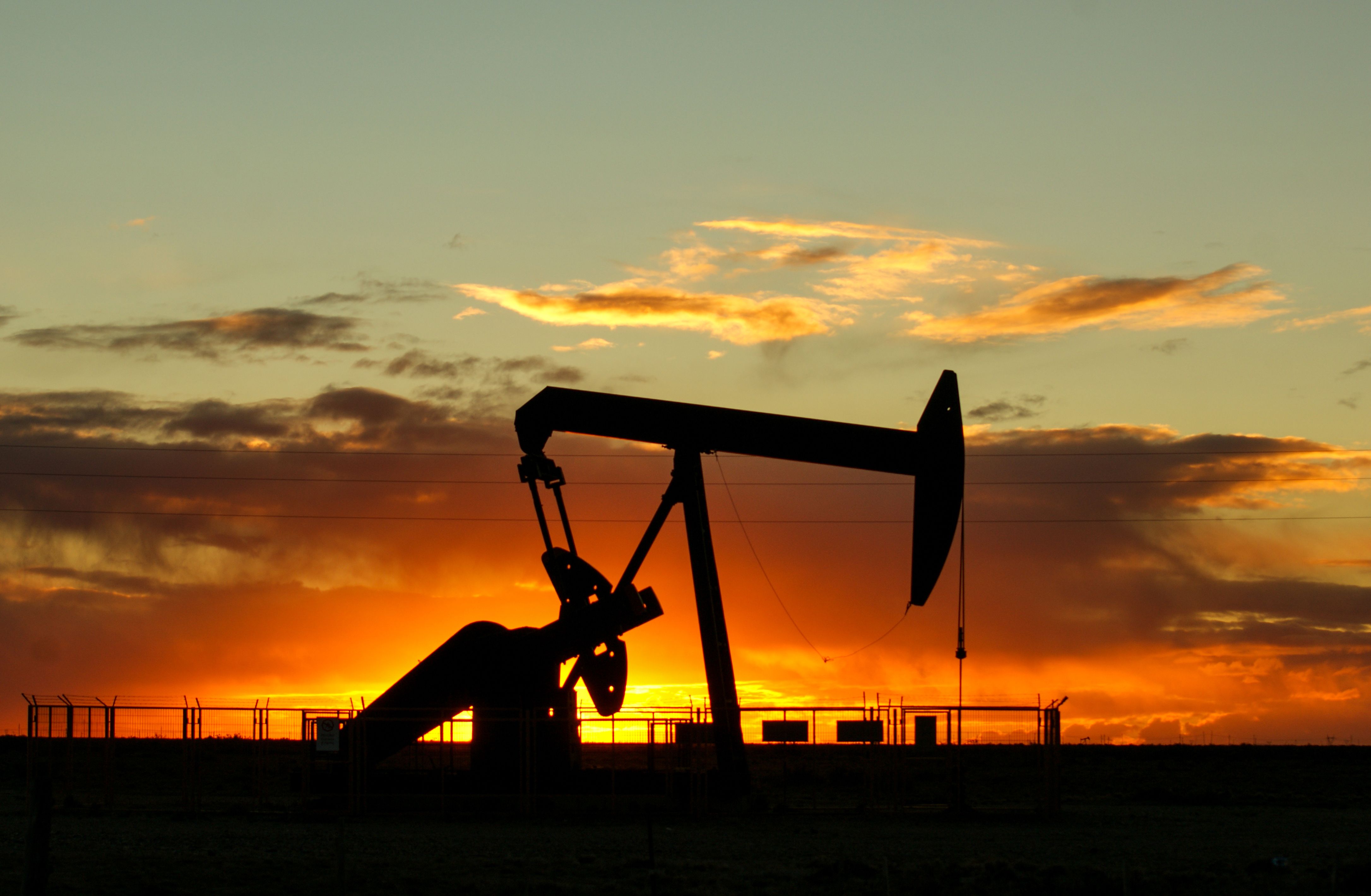
The disruptions have sent shockwaves through global energy markets. Brent crude, the international benchmark, rose 2.5% to $105.61 per barrel in early Asian trading on Monday, while U.S. benchmark West Texas Intermediate climbed nearly 3% to $101.52 . Brent has gained more than 40% since the joint U.S.-Israeli strikes on Iran began on Feb. 28 .
According to the International Energy Agency (IEA), global oil supply is expected to fall by 8 million barrels per day in March 2026 due to transportation disruptions, while Middle Eastern producers have cut output by at least 10 million barrels per day .
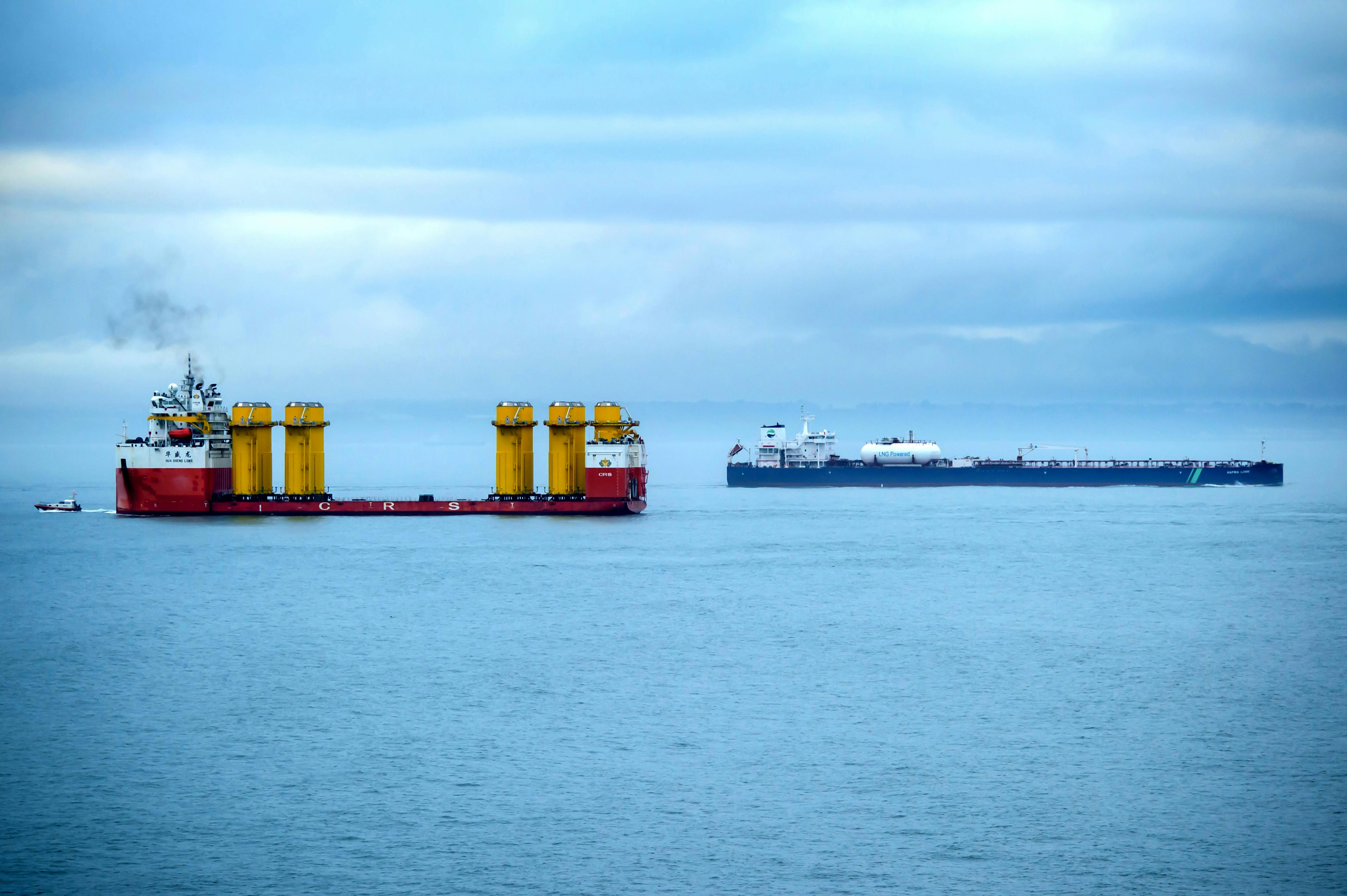
The closure of the Strait of Hormuz—a shipping lane that carries about one-fifth of the world's oil supply—has created a widespread energy crisis . In response, the IEA agreed last week to release a record 400 million barrels of oil from the strategic reserves of its member countries, with Japan expected to begin releasing its reserves as early as March 16 .
Global Inflation Fears Resurface
Analysts say the significance of the crisis lies not only in short-term market volatility but also in the possibility that sustained energy shocks could reshape inflation expectations, interest-rate outlooks, and global asset pricing .
Patrick Minford, professor of applied economics at Cardiff University, told Xinhua that the most immediate economic impact will come through energy prices. "If oil prices remain elevated, they will feed into inflation and could influence expectations about interest rates," he said .
According to projections by Oxford Economics, the current energy shock could push inflation in Britain and the eurozone roughly twice as much as in the United States and Canada, reflecting Europe's heavier dependence on imported energy .
The timing is particularly delicate. A busy week of central bank meetings is approaching, with the Federal Reserve, the European Central Bank, the Bank of England, and the Bank of Japan all scheduled to announce policy decisions. These meetings will offer the first formal opportunity for major central banks to assess the economic implications of the Middle East crisis .
Divergent Fortunes Across the Gulf
While Qatar, Kuwait, and Bahrain face the most severe disruptions to their oil-dependent economies, Saudi Arabia and the UAE may be somewhat better positioned, according to economists cited by Bloomberg. The two larger economies can redirect some oil exports through alternative routes and benefit from higher crude prices .
Saudi Arabia's benchmark index actually gained 0.6% on Monday, led by a 1.1% rise in Saudi National Bank, and oil major Saudi Aramco gained 0.7% . According to Ahmad Assiri, research strategist at Pepperstone, Saudi Arabia's TASI stands out as the region's clearest "dip-buying story," with equities showing notable resilience .
However, the conflict is also weighing on non-oil sectors across the region, with tourism, real estate, and investment activity likely to slow. Formula One's Bahrain and Saudi Arabian Grand Prix will not take place in April, the sport announced on Saturday—another sign of the economic fallout .
Sovereign Wealth Funds Under Pressure
Another channel through which the crisis could influence global markets is the investment behavior of Gulf sovereign wealth funds. These funds collectively manage trillions of dollars in assets and hold extensive investments worldwide, including an estimated $2 trillion invested in the United States alone .
If geopolitical tensions persist, these funds may reassess their global investment strategies to strengthen portfolio resilience. Hisham Farag, professor of finance at the University of Birmingham, suggested that shifts in global capital allocation could create opportunities for some large emerging economies with sizeable domestic markets, including China, Brazil, and several resource-rich economies .
Outlook Uncertain
Hopes for an early ceasefire are fading as the Trump administration rejects diplomatic efforts from Middle Eastern allies, while Iran has also refused any possibility of compromise until airstrikes cease .
The UAE is still expected to record a budget surplus this year, but Qatar could see its fiscal deficit widen. Economists say Gulf states may increasingly rely on debt markets if the conflict continues to strain public finances .
As one regional analyst put it: "When the dust settles they will rebuild and they will recover, but the scars this conflict leaves on confidence remain to be seen"