Iraq Proposes Diplomatic Coalition as UN Session Seeks Path to End Middle East War
Iraqi PM al-Sudani pushes for diplomatic coalition to end conflict as India prepares to present three-phase roadmap at UN emergency session including Hormuz humanitarian corridor.
 Sercan Roni
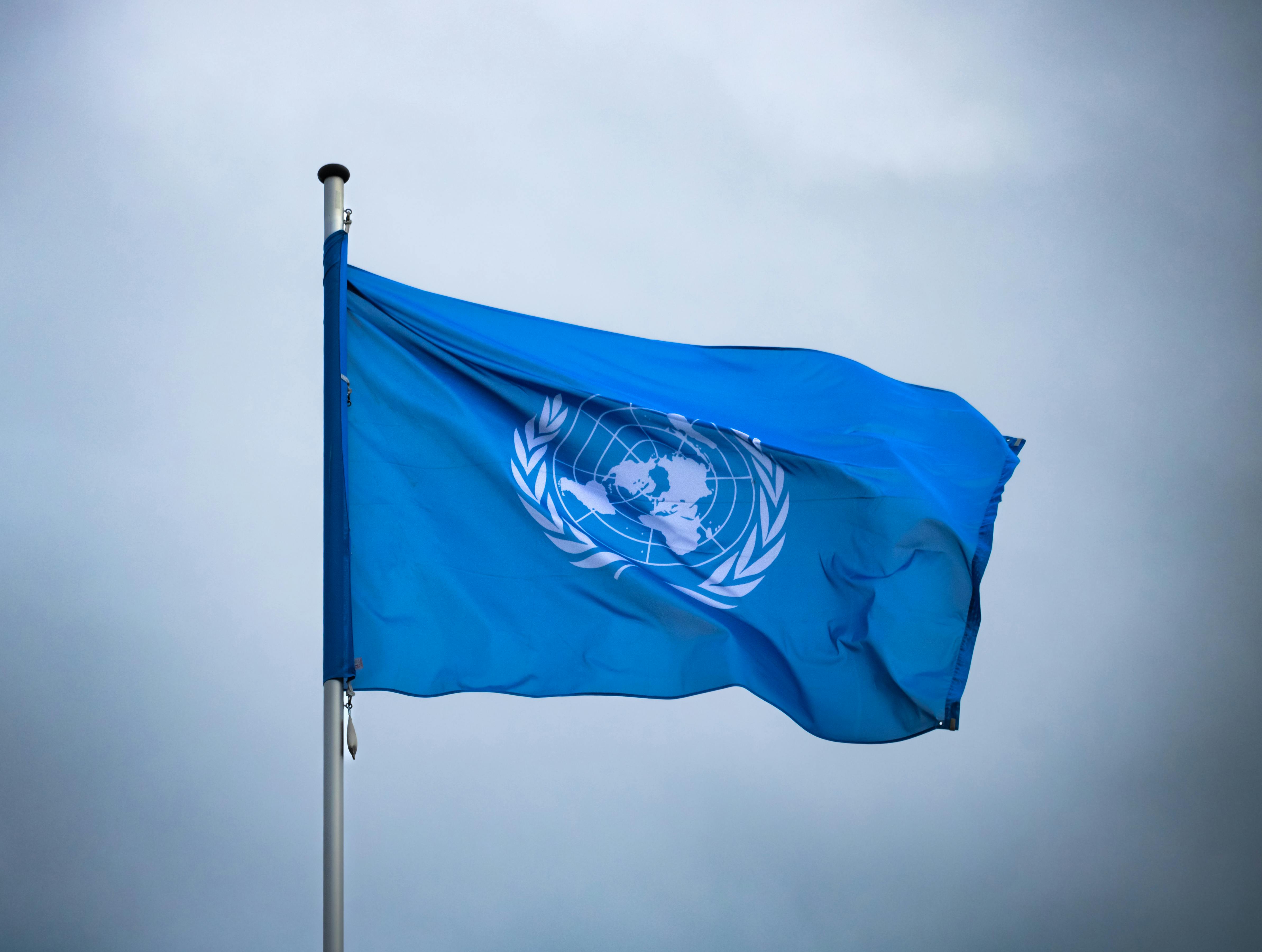
Diplomatic efforts to end the 18-day-old Middle East conflict intensified Wednesday as the United Nations General Assembly convened an emergency session in New York, with Iraq and India emerging as key players proposing concrete pathways toward de-escalation .
Iraqi Prime Minister Mohammed Shia al-Sudani, in a phone call with European Commission President Ursula von der Leyen on Tuesday, reiterated Baghdad's initiative to form a diplomatic coalition aimed at achieving an immediate end to the war. Al-Sudani warned that the situation in the region is deteriorating due to what he termed the war initiated by the "occupying entity," cautioning of potential displacement, instability, and rising violence .
The Iraqi leader highlighted that his country has been directly affected by repeated attacks and violations of its airspace, while reaffirming Iraq's full commitment to protecting all diplomatic missions on its territory. Von der Leyen praised al-Sudani's commitment to constructive dialogue and welcomed Iraq's proposal for a diplomatic coalition, indicating that further discussions would follow .
At the United Nations, India is expected to present a comprehensive three-phase roadmap for resolving the conflict, positioning itself as a unique interlocutor capable of engaging all parties. New Delhi maintains strategic partnerships with Israel, signed the condolence book at the Iranian Embassy after Supreme Leader Ali Khamenei's assassination, and serves as Iran's partner in the Chabahar Port project .
The Indian proposal's first phase calls for a "Hormuz Blue Zone" — a neutral maritime corridor through the Strait escorted by the Indian Navy and a coalition of non-aligned nations including Brazil and Oman, strictly for food, medicine, and energy shipments to non-combatant countries. The plan would require Iran to halt mining operations in the corridor while the US-Israeli coalition pauses strikes on Iranian civilian energy infrastructure for 72 hours .
The second phase addresses the core nuclear deadlock through an IAEA-verified freeze on Iranian uranium enrichment above 3.67% in exchange for US cessation of regime-change rhetoric and targeted decapitation strikes, with Israel receiving a "Red Line guarantee" for breach response. The third phase proposes a West Asia Stability Summit in New Delhi and a reconstruction architecture — a "Marshall Plan for Persia" — funded by Gulf sovereign wealth .
The UN emergency session comes as humanitarians warn of catastrophic consequences if fighting continues. The World Food Programme estimates that nearly 45 million more people could fall into acute food insecurity if the conflict persists through mid-year with oil prices above $100 per barrel .
UN officials are urging all parties to uphold international humanitarian law and protect civilians, including health workers and humanitarian personnel. The UN Human Rights Office reported that Israel has accelerated unlawful settlement expansion and annexation in the West Bank, forcibly displacing more than 36,000 Palestinians amid increasing violence .