Regional Powers Engage in Quiet Diplomacy to Contain Escalation Risks
Middle Eastern countries are intensifying behind-the-scenes diplomacy to prevent broader conflict. Efforts focus on de-escalation and regional stability.
 Sercan Roni
Regional powers are increasingly engaging in quiet diplomacy to contain the risk of broader conflict across the Middle East. With multiple flashpoints active, governments are prioritizing communication channels aimed at preventing escalation.
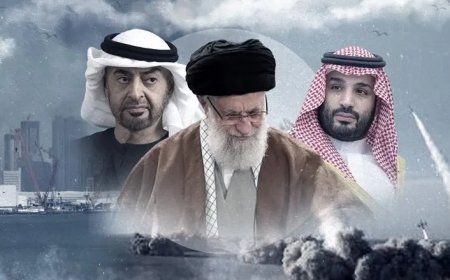
Saudi Arabia and Iran, following their recent rapprochement, have continued diplomatic engagement, signaling a shift toward pragmatic dialogue. Officials from both sides have emphasized the importance of maintaining stability and avoiding direct confrontation.
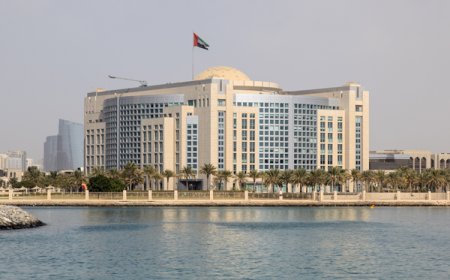
The United Arab Emirates has also played a role in facilitating discussions, leveraging its relationships with various regional actors. Analysts note that such efforts reflect a broader trend toward “managed competition” rather than open conflict.
A senior Gulf diplomat stated that there is a shared understanding that escalation would be detrimental to all parties involved. This sentiment has driven efforts to coordinate responses and manage crises through dialogue rather than military means.
International actors, including the United States and European countries, have supported these diplomatic initiatives, encouraging regional ownership of security challenges. However, differences in priorities and alliances continue to complicate coordination.
Experts caution that while diplomatic engagement is a positive development, it remains fragile. “Dialogue can reduce risks, but it does not eliminate underlying tensions,” said a political analyst.
As the region faces ongoing challenges, sustained diplomatic efforts will be crucial in maintaining a delicate balance and preventing conflicts from spiraling further.